

August Edition: Off-Script
A detour, a dispatch, a diary entry.

Dispatches from a girl who swore she’d keep a monthly rhythm and got swallowed by work instead.
Let’s start with the obvious: there was no July newsletter. I blinked, and the month evaporated into deadlines, proposals, and too many tabs open. I won’t pretend otherwise, work got the best of me, and continues to do so. But I didn’t want to leave you empty-handed this month, my great readers.
So this edition is a little different. No artist spotlights, no works under €500. Just five thoughts - loose, unfiltered, maybe slightly unhinged - on what’s been circling my mind lately when it comes to art, taste, and the performance of both. A soft reset, if you will. Studio Notes will be back to its regular rhythm in September. Until then, think of this one as the voice note version.
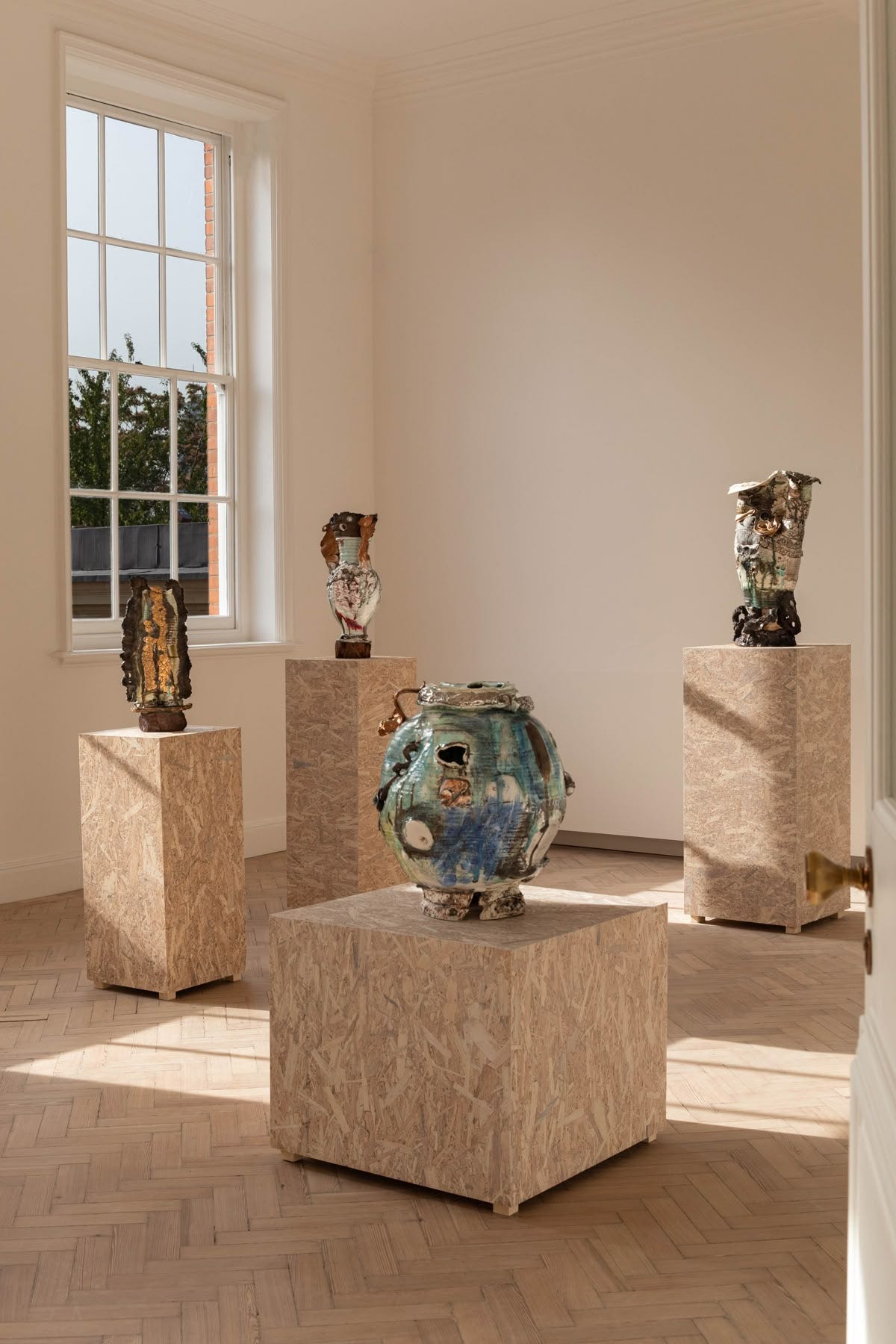
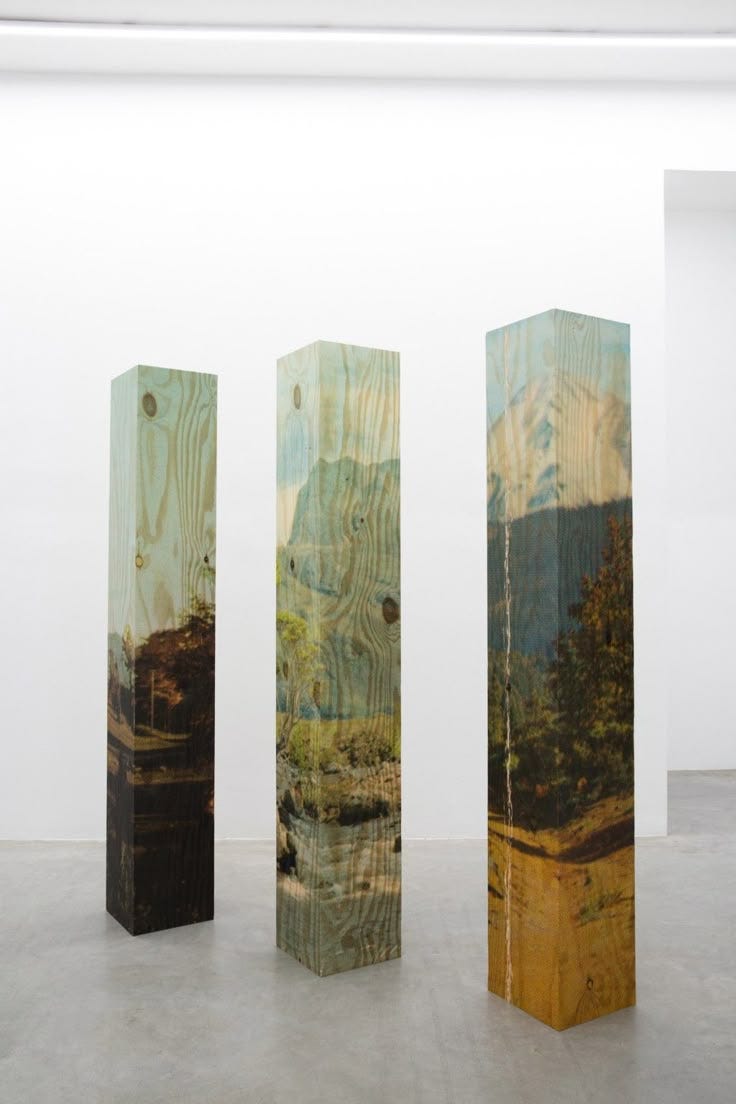
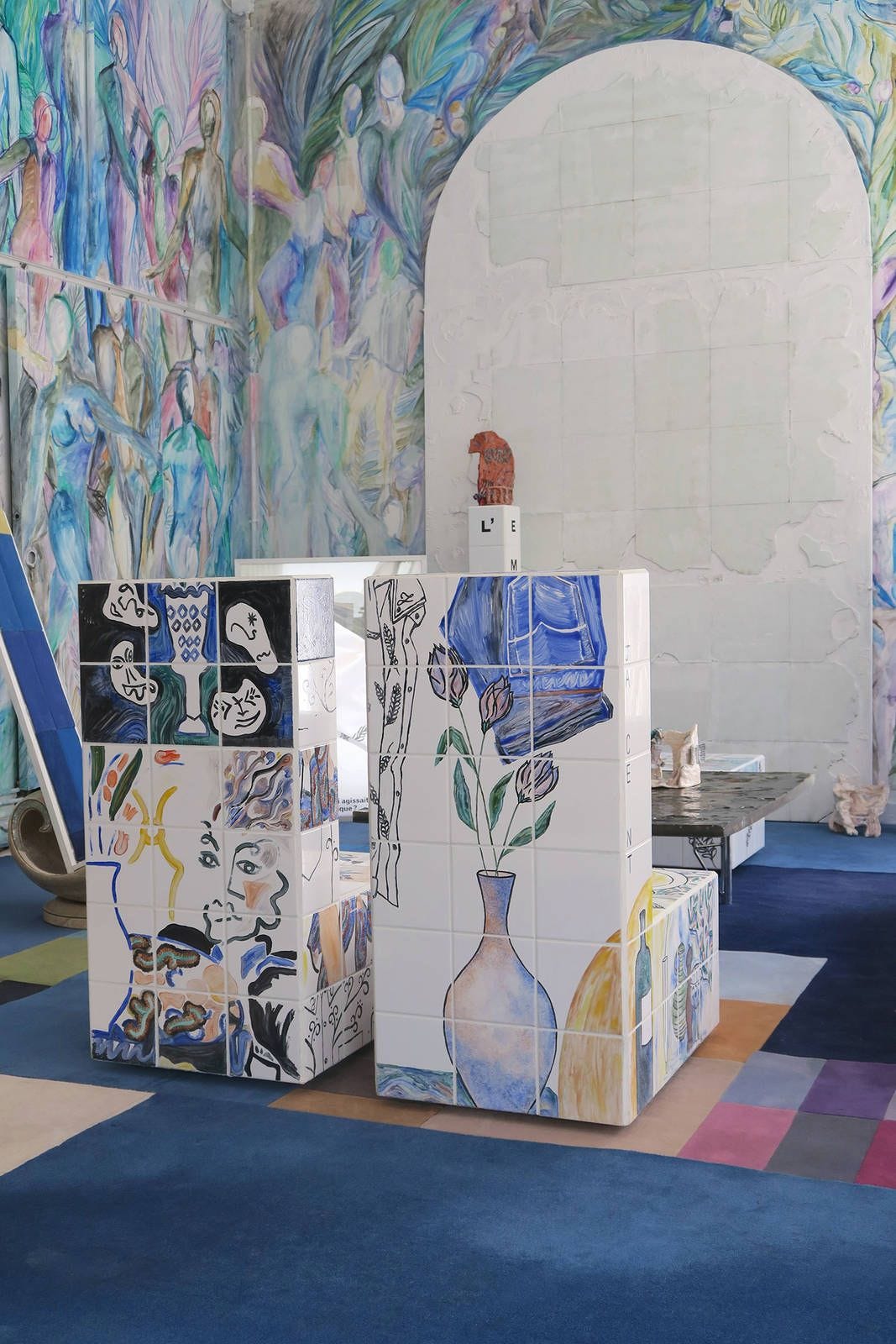
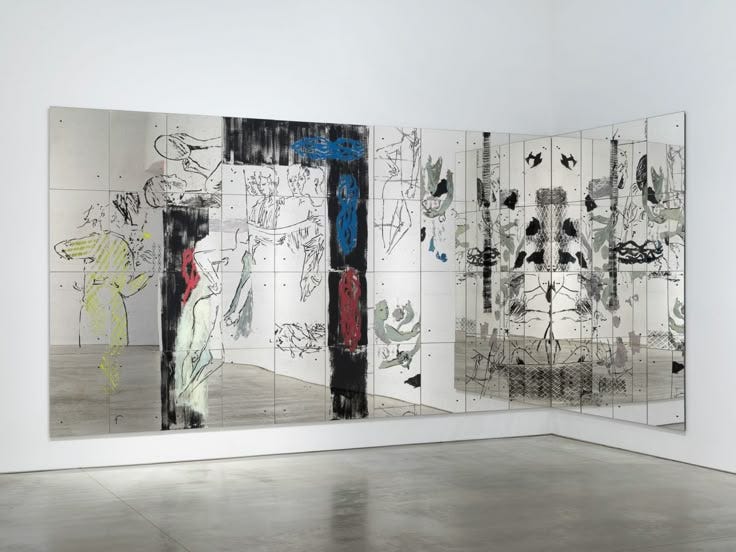
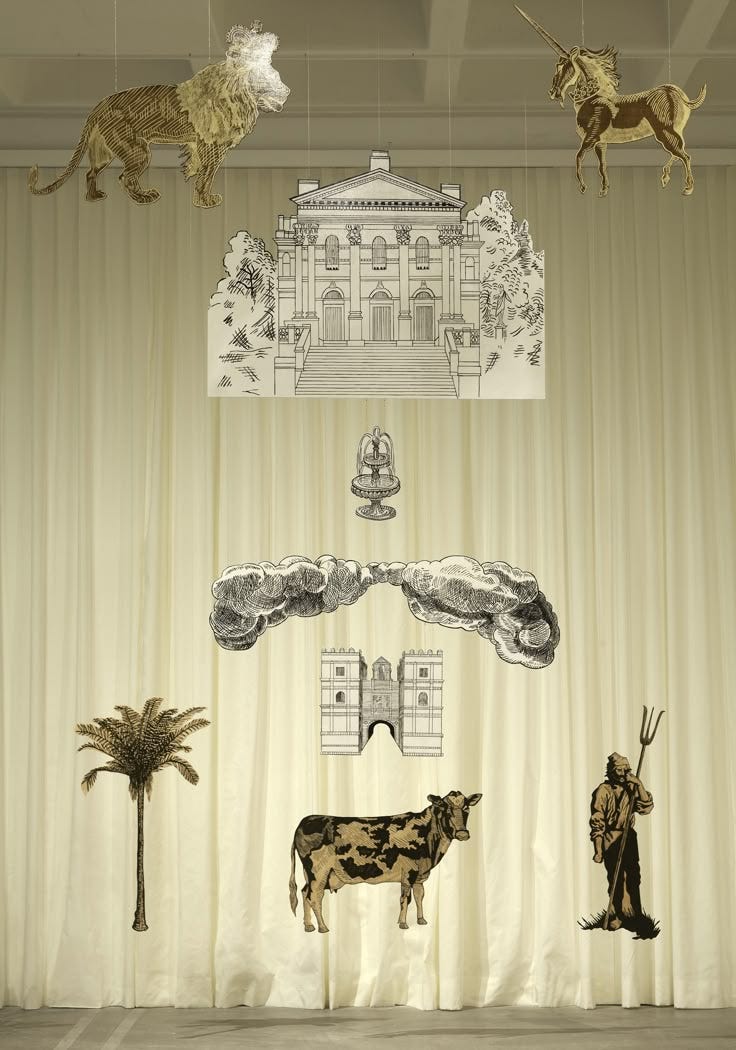
Chaotic mode on: the images bellow are only for the vibesss. They are not whatsoever related to what I’m talking about, but fully captioned and credited as all images should - Enjoy!
1. Death to the gallery wall text (even curators don’t read them)
Full disclosure: I’m a curator and I almost never read the wall text. When I was doing my MA in Curating Contemporary Art at the RCA, our class of 70 curators admitted the same — wild. Who are these texts really for, if not for peers? They’re riddled with befuddling language and written in a tone that demands you reread each sentence twice.
Not one of us walks into a gallery thinking, “Ooh yes, let me start by reading 400 words about the socio-political context of this installation.”
It’s not that wall texts have no place. Historical positioning is important. Language is a powerful framing tool. Several works, especially contemporary need context. But most of the time, these texts feel like they were written by committee, edited by an algorithm, and designed to prove that the work means something, rather than letting it mean something to you.
Personally, I don’t want the experience contaminated before I’ve even had it. I look first. Sit with it. Then — maybe — I’ll read. But only if I still have questions, or if the work moved something in me and I want to stay with it longer.
We talk a lot about trusting the artist. Maybe it’s time we start trusting the viewer? Or at least stop writing as if they’re about to fail a test.
2. Why summer group shows are like holiday airport novels: easy, forgettable, and sometimes surprisingly fun
Summer group shows are the art world’s version of a beach read. Lightly thematic, vaguely optimistic, and almost always padded with familiar names. You rarely leave changed, but you might leave charmed.
There’s a specific rhythm to them: titles like "Soft Horizons", "Linger", or "Sunset Logic", three works by the same four artists rotating between every gallery in town, and at least one textile piece thrown in for texture. The stakes are low, the vibes are high, and everyone involved knows it’s more about keeping the lights on (and the email list warm) than making a curatorial statement for the ages.
Still, I’d be lying if I said I didn’t enjoy them. They’re digestible. Sometimes delightful. And every so often, one work quietly steals the show, like finding a surprisingly good sentence in a novel you bought because the cover was orange.
Like that piece I saw last summer in a big Hong Kong gallery (name, forgotten; artist, even more so). It was (what looked lile) a stereotypical white plastic chair — the exact one you’re picturing — crushed under the weight of a perfectly smooth marble sphere, reminiscent of a globe. Cheapness and permanence, collapse and power, humour and weight. It was ridiculous. It was brilliant. I still think about it.
3. Frameless and the tragedy of immersive van Gogh
Have you been to one of those “Frameless” exhibitions? The ones where you step inside Van Gogh’s paintings—or so they claim—while giant digital projections swirl around you, soundtrack booming, lights flashing, and the art reduced to pixels on a wall. If you have out of your own accord, I’m sorry but I’m truly judging you.
Here’s what really gets me: they call these art exhibitions. But they’re not. They’re light shows. Entertaining, flashy, maybe even immersive, but not art, where’s the art if all I can see at once is a Van Gogh flower projected on my dress.
It’s tragic, honestly. Van Gogh is turning in his grave. Because when I look at one of his paintings, I want to be face-to-face with the physical brushstrokes, the thick, visceral texture. I want to be hypnotised by the sweat and urgency of the hand that made it, to pierce a whole on the canvas with my gaze - not distracted by a dizzying light show that feels like a nightclub.
These immersive shows promise presence but deliver spectacle. They trade depth for dazzle, tactility for gloss. And while they might pull in a crowd, they risk erasing the very qualities that made these artists monumental in the first place, which makes me fear and wonder if this is where “art” exhibitions are headed.
4. The slow seduction of a single artwork
Do you ever go back to a museum just to see one artwork again? The other day, I found myself heading to the Tate to visit this Joan Mitchell painting. No agenda, no rush — just that awkward, hopeful feeling you get when you’re going to see a crush and you don’t know if they like you back.
I stood there, eyes locked on the canvas, pretending not to care but totally wanting it to notice me. We sat together for a while — me with AirPods in, jazz humming softly, and the painting just… being. No big moves, no dramatic gestures. Just that quiet, electric moment where time slows and maybe, just maybe, something sparks.
Sometimes looking at art isn’t about checking boxes or racing the clock. It’s like a slow dance of patience and attention — letting the layers unfold, the brushstrokes whisper, and the colours hum their secrets. That’s where the real magic happens.
5. The secret lives of curators
The other day, my 21-year-old cousin asked me how I “conserve paintings.” I blinked. He thought a curator was someone who cures art. Like a sort of art-world pharmacist. To be fair, the word curator doesn’t help. Even in my view, it sounds like someone who either works in a museum or has a Pinterest board with authority.
Here’s the truth: I don’t just put exhibitions together. I create commissions. I broker deals. I write about art, advise on cultural matters, mediate residencies, build commercial collections, design public programmes, and sometimes help brands find the right artist to work with. I’m an art mediator — which sounds abstract but is actually the opposite.
My job is to translate, connect, provoke, accompany, make space, hold space, notice, negotiate, and occasionally get paint off a white wall the morning before an opening. Curating today is less about hanging things nicely and more about asking: What does this work need? Who is it for? How can I make it matter? Sometimes it means working with an institution. Sometimes it means working in a private flat. Sometimes it means saying no to a formal proposal and yes to a chaotic WhatsApp voice note that somehow ends up as the best idea in the room.
We’re in the business of art, essentially. But not in a cynical way — in the most human one. We build relationships. We build trust. And when it works, we build meaning.
Next month I’ll be visiting Mexico, and who knows — Studio Notes might just get its own Mexico edition (or at least a paragraph written in between tacos). Either way, we’ll be back to regular programming: artists I’m loving, things under €500, and more reflections from the art-adjacent edges.
Until then, thank you for reading — especially this looser, messier version. It’s good to be here, even off-script.
I really enjoy how you write about art, in a light fun way! Also, as an art student, it is very nice to be able see the prespective from a curator. I look forward to continuing to follow your thoughts.